Piribebuy
The martyr capital · 12 August 1869 · Cordillera campaign
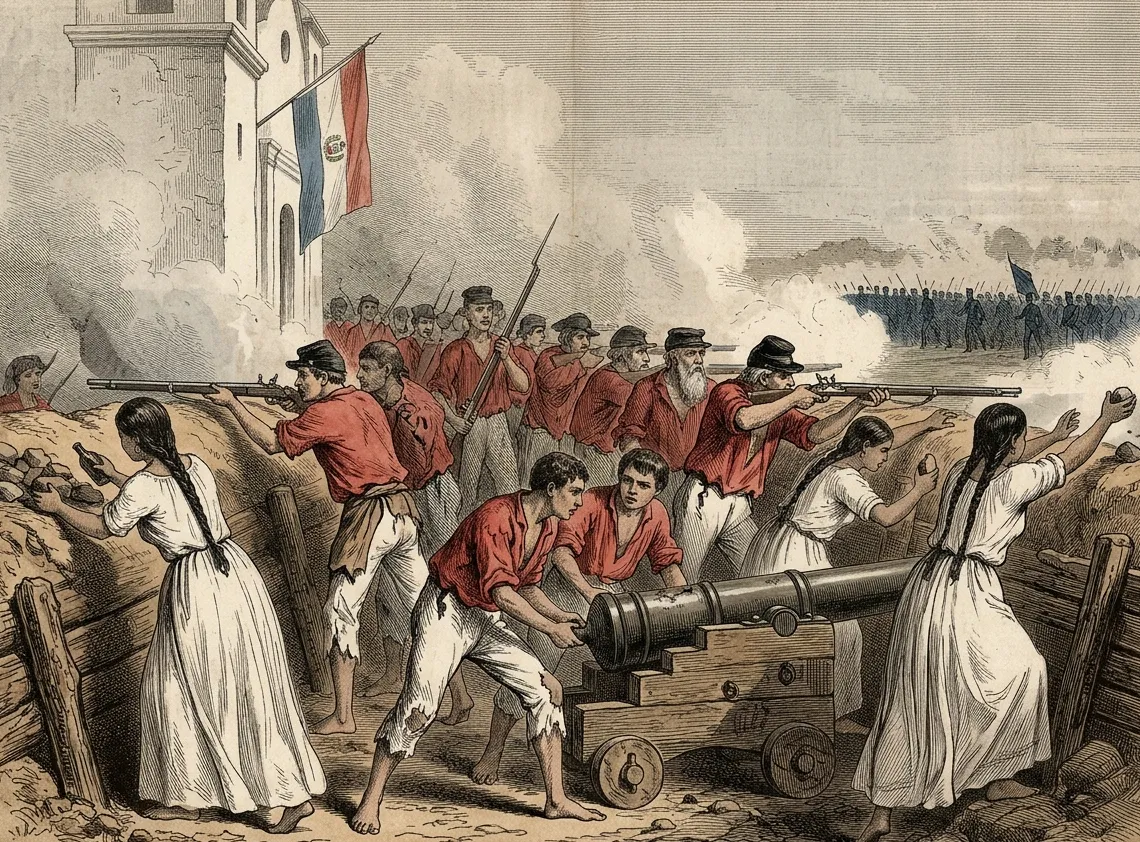
Battle card
| Date | 12 August 1869 | |
|---|---|---|
| Location | Piribebuy, provisional capital of Paraguay, in the Cordillera | |
| War | Triple Alliance · Cordillera campaign | |
| Duration | Bombardment: from two to four hours ‡ Assault: from under half an hour to five hours ‡ | |
| Result | Allied victory. The third capital falls; the town is sacked and its hospital burns. | |
| Paraguay | Empire of Brazil and allies | |
| Commanders | Commander Pedro Pablo Caballero ‡ Hilario Amarilla, second in command ‡ Patricio Marecos, political chief (civilian) | Gastão de Orléans, Count of Eu (commander in chief) Manuel Luís Osório and Vitorino Monteiro (army corps) Brigadier João Manuel Mena Barreto (killed in the assault) |
| Forces | About 1,600, mostly adolescents and old men, with women and children | About 20,000: according to Brazilian documents, 19,000 imperial troops, 900 Argentines and 1,000 Uruguayans ‡ |
| Artillery | From 12 to 19 old pieces and a mortar ‡ | From over 30 to about 50 cannons ‡ |
| Weapons | Flintlock muskets, hunting shotguns, lances and machetes; stones and bottles | Rifled percussion muskets; carts with planks and bales to cross the ditch |
| Casualties | About 700 dead; 300 or more wounded; from 800 to over 1,100 prisoners ‡ | 68 or 69 dead and about 540 wounded ‡ |
‡ Figure disputed among sources. Paraguayan and Brazilian sources agree on the number of Paraguayan dead, about 700. The prisoners include wounded and probably civilians. Uruguayan participation in the assault is unclear: according to the same documents, part of that division was watching for the arrival of Paraguayan reinforcements.
A note to the reader
Each page carries a mark that shows what kind of information you are reading.
The plates in this work are contemporary illustrations, made in the manner of period engravings. They are not original documents.
The third capital
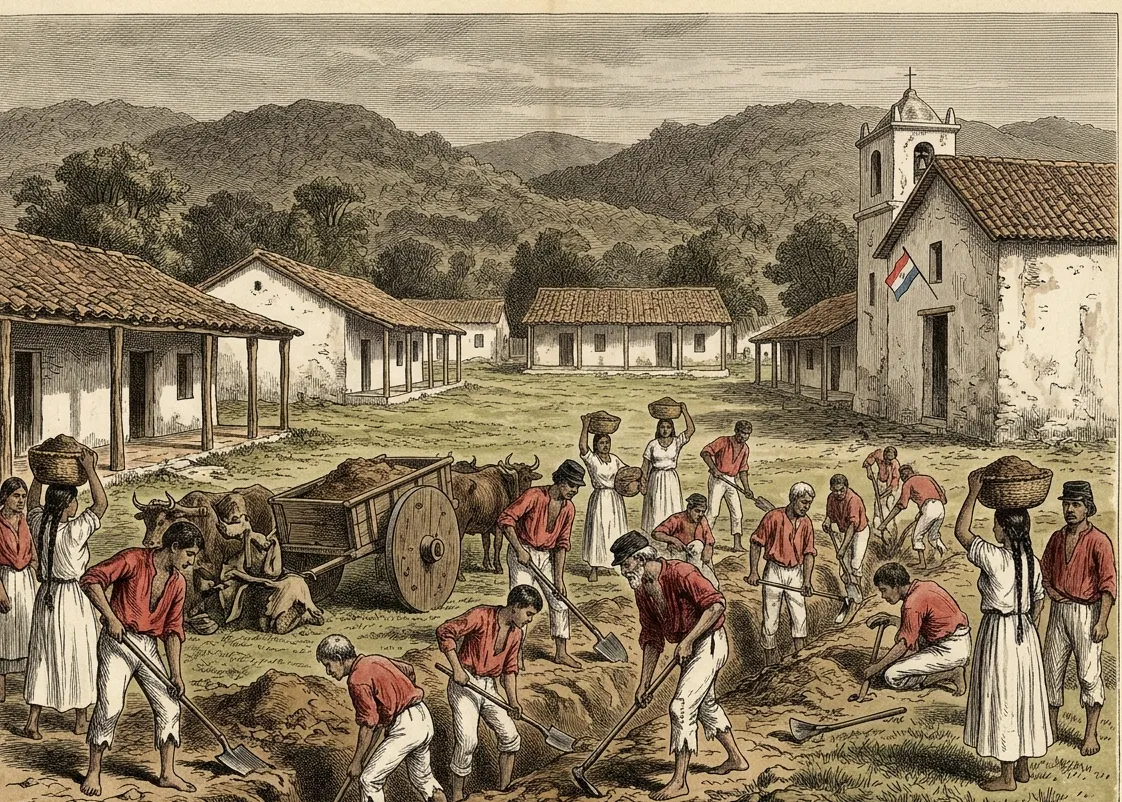
In August 1869, the war reached the hills of the Cordillera, a few leagues from Asunción.
In December 1868, the Paraguayan army had been shattered in the Pikysyry campaign. By a decree of 8 December that year, Francisco Solano López moved the capital to Piribebuy, a town in the Cordillera. It was the third capital of the war, after Asunción and Luque.
In January 1869, the allies occupied Asunción. López did not surrender: he raised a new army at Azcurra, next to Caacupé, with wounded veterans, old men, adolescents and children.
Piribebuy housed the government of Vice President Domingo Francisco Sánchez, the state archive, a printing press, the telegraph, an arms workshop and a hospital. Elisa Lynch also lived there with López's children.
The fortified town
An earthen trench was dug around the town, with a ditch in front of it.
According to the Brazilian officer Alfredo d'Escragnolle Taunay, who took part in the assault, the trench formed an irregular polygon of 28 sides and about 2,422 meters in perimeter. Inside lay the square, the church with its tiled roof and the houses, almost all of them thatched. The Piribebuy stream ran to the south. The surrounding hills overlooked the town.
The defense was in the hands of Commander Pedro Pablo Caballero, with about 1,600 men. Taunay wrote that most of them were adolescents. According to the Paraguayan colonel Juan Crisóstomo Centurión, on the north side there were boys armed with hunting shotguns and lances.
The Count of Eu
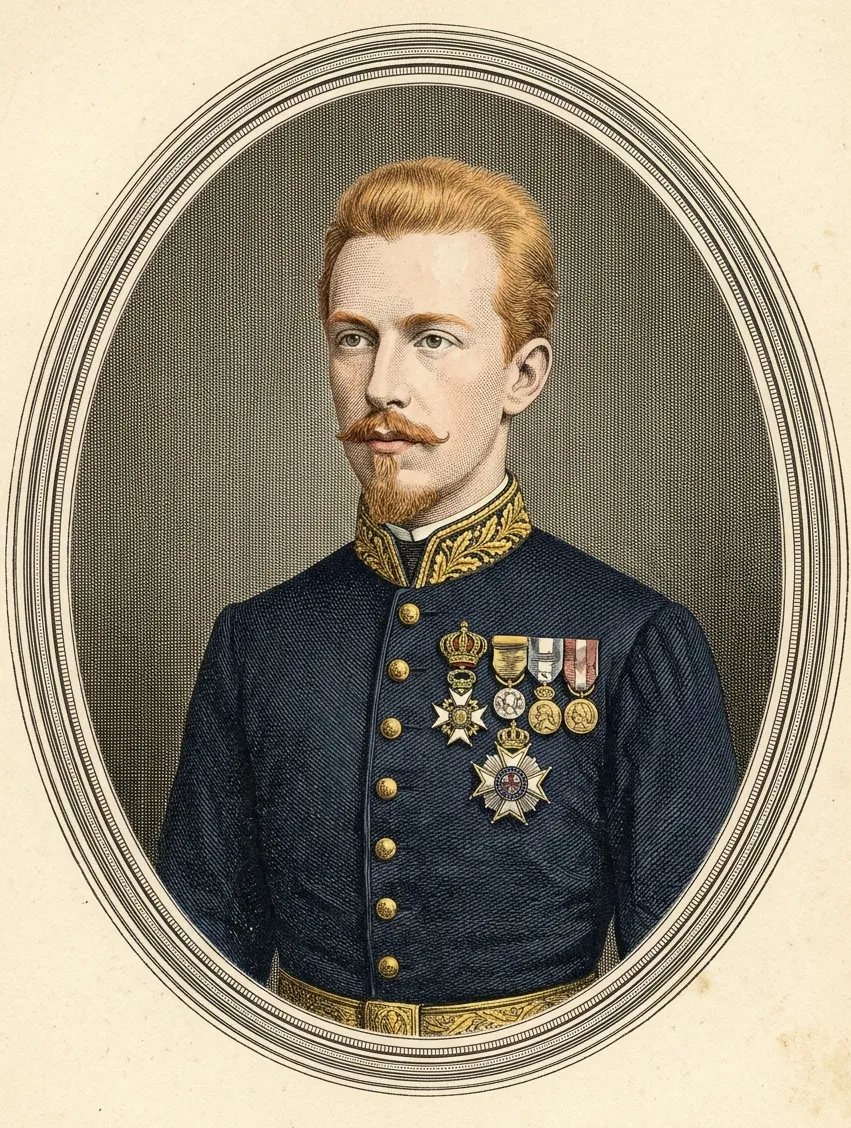
On the other side, the commander was a 27-year-old prince.
Gastão de Orléans, Count of Eu, was a grandson of King Louis Philippe of France and the son-in-law of Emperor Pedro II. On 16 April 1869, at Luque, he took command of the Brazilian forces.
He did not attack the Azcurra line head-on. In early August, the allied army went around that line to the south: it left Paraguarí, crossed the Sapucai pass, went through Valenzuela and on 10 August arrived before Piribebuy.
First he cut the telegraph. Then, on the nights of the 10th and the 11th, he set up five batteries around the town, mainly to the south and east.
The bombardment
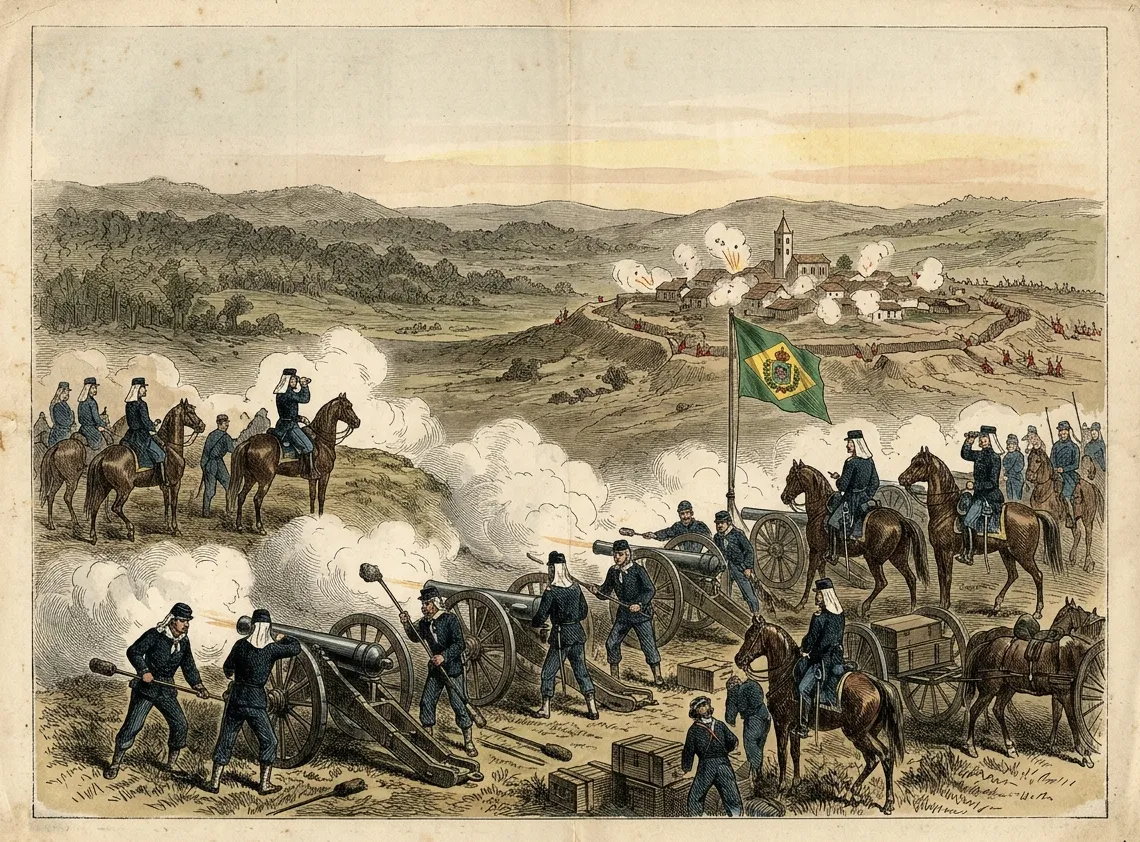
The Count of Eu demanded surrender. Caballero refused.
According to tradition, he replied that he was there to fight and, if need be, to die, but not to surrender. The historian Carlos von Horoch adds that the Count invited the civilians to leave the town, and that they did not leave because their sons, brothers and husbands were in the trench.
At dawn on 12 August, the allied batteries opened fire. Their shots swept almost every face of the trench. The Paraguayan guns, old and short of ammunition, answered with shells as soon as they saw the enemy troops.
The assault
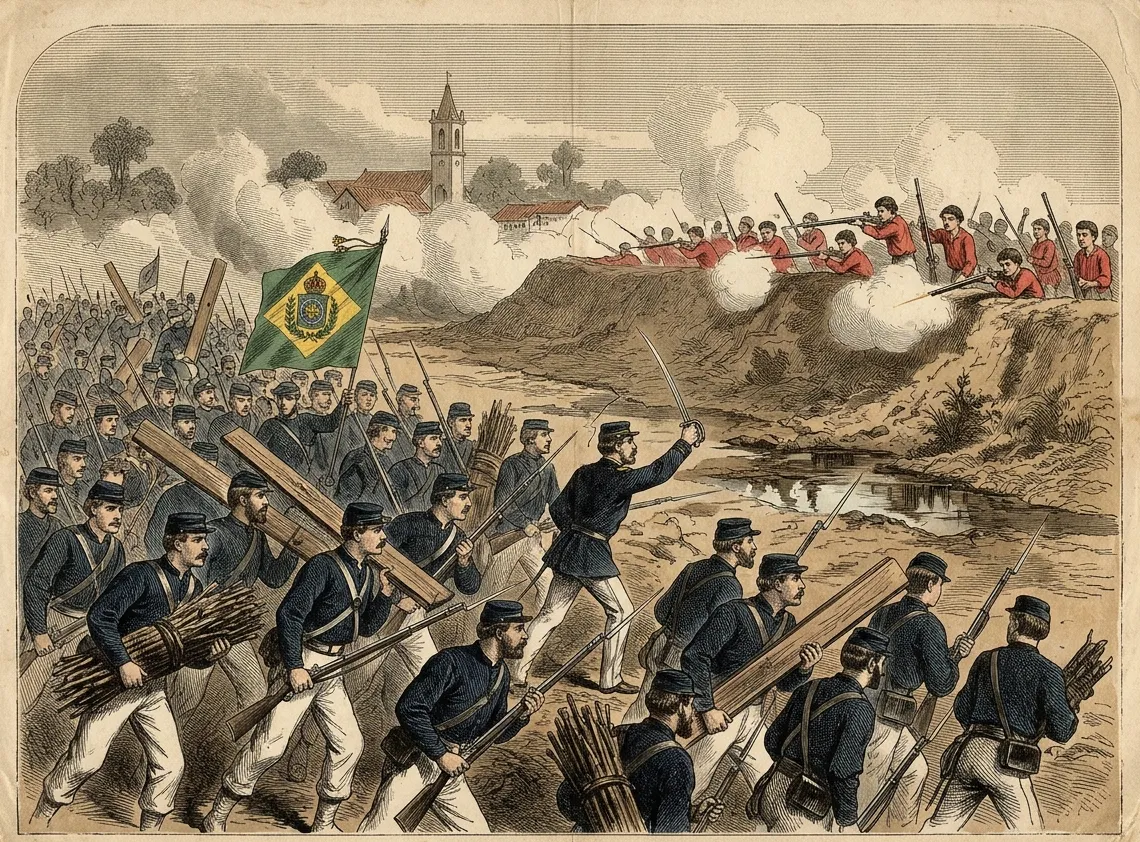
At around 8:30 a.m. the call to advance sounded.
According to the Brazilian captain F. Félix de Araújo, who wrote a chronicle of the assault, the attack was made in three columns: the right one with the Count of Eu, the left one with the Marquis of Herval, Manuel Luís Osório, and the center one with General Vitorino Monteiro. A line of skirmishers went ahead. Behind came carts with planks and bales of alfalfa to fill the ditch, and engineers with tools to widen the breach.
The Brazilian infantry crossed the ditch at bayonet point. The defenders fired flintlock muskets, with an effective range of about 200 meters, against rifled muskets that reached twice as far. The flag of the 23rd Voluntários da Pátria was the first to fly inside the trench.
Mena Barreto falls
Brigadier João Manuel Mena Barreto, one of the most prestigious cavalry commanders of the imperial army, fell in the assault.
He was 45 years old and had been born in Porto Alegre. He was on horseback when a bullet struck him in the groin. He died that same day. On 13 August he was buried inside the church of Piribebuy, beside the high altar.
His death weighed on the rest of the day. According to Centurión, the Count of Eu, enraged, ordered the reprisals that followed. Paraguayan tradition preserves the name of the man who fired the shot: Corporal Gervasio León.
The women of Piribebuy
Women also fought in the trench.
Taunay recalled women armed with glass and stones. Cerqueira, another Brazilian witness, also saw women throwing stones at the attackers. Félix de Araújo wrote that many of them died fighting. Juan E. O'Leary, from a nationalist point of view, added that they took the places of fallen soldiers.
The memory of Piribebuy keeps their names: Cándida Cristaldo, Dalmacia González, Venancia Acosta, Hilaria Medina, Eusebia Pérez, Gabriela López, Basilia Domecq, Anita Segovia and the wife of Commander Caballero. Several of them bear the title of sergeant. According to the town museum, Cándida Cristaldo survived because an allied officer stopped the execution of a group of women, and years later she gave testimony about that day.
House by house
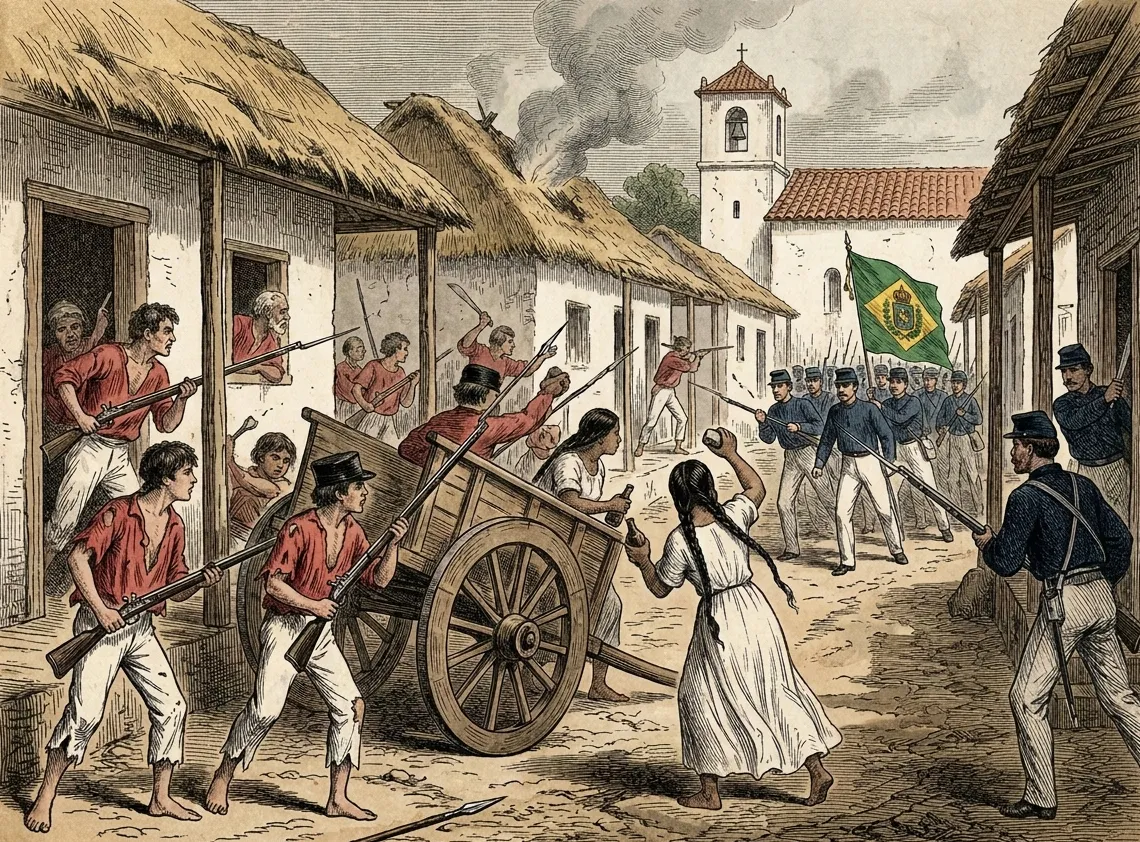
How long the fighting lasted is one of the most debated points about Piribebuy.
In the Brazilian reports, the trench fell in minutes: less than a quarter of an hour according to one report, perhaps less than half an hour according to Cerqueira. Taunay noted that by 9 a.m. the resistance was over. For Centurión and Paraguayan tradition, there were three assaults and some five hours of combat. The Brazilian historian Francisco Doratioto accepts about 15 minutes to take the trench and about two more hours of fighting inside the town.
Inside, the combat went on among the houses. The historian Carlos von Horoch speaks of a fight “street by street and house by house”, and considers it the only urban battle of the war. According to tradition, when the bullets ran out, the women helped load the cannons with stones, glass and pieces of crockery.
Pedro Pablo Caballero
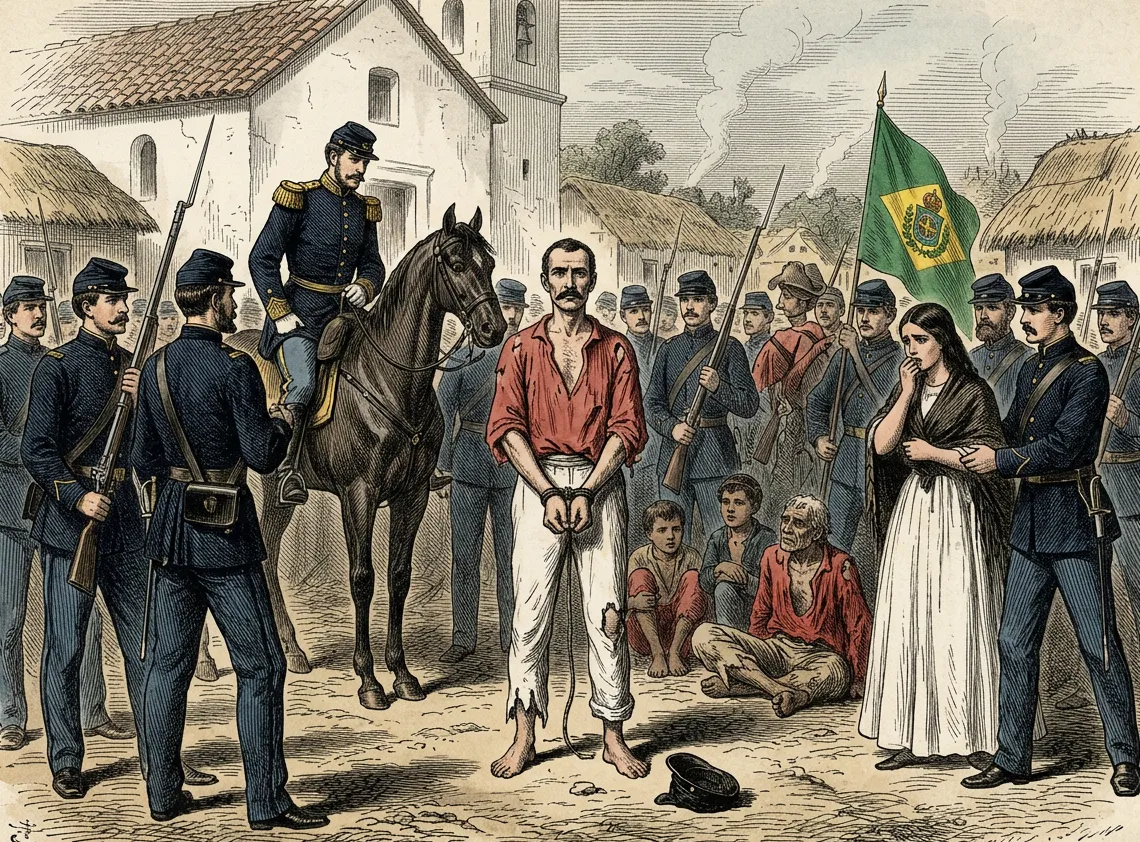
Once the town had fallen, Commander Pedro Pablo Caballero was taken prisoner.
The town's political chief, Patricio Marecos, was captured with him. Both were executed. Caballero's body was among those counted by Taunay. According to Centurión, the two prisoners were brought before the Count of Eu, who ordered: “Cut those men's throats, they are to blame!”. Centurión adds that Caballero had his throat cut in front of his wife and other prisoners.
The Brazilian historian Francisco Doratioto accepts the Count's order as fact. Mário Maestri believes the phrase is popular tradition and that the execution was the work of the troops, under orders or with the complicity of their officers. The Count's reports do not mention these deaths.
The town's memory adds more. It says that Caballero never begged for his life and that he died shouting “Long live Paraguay!”. A version kept by the local museum tells of an even crueler death, tied to horses. These last details do not appear in the period sources consulted.
The blood hospital
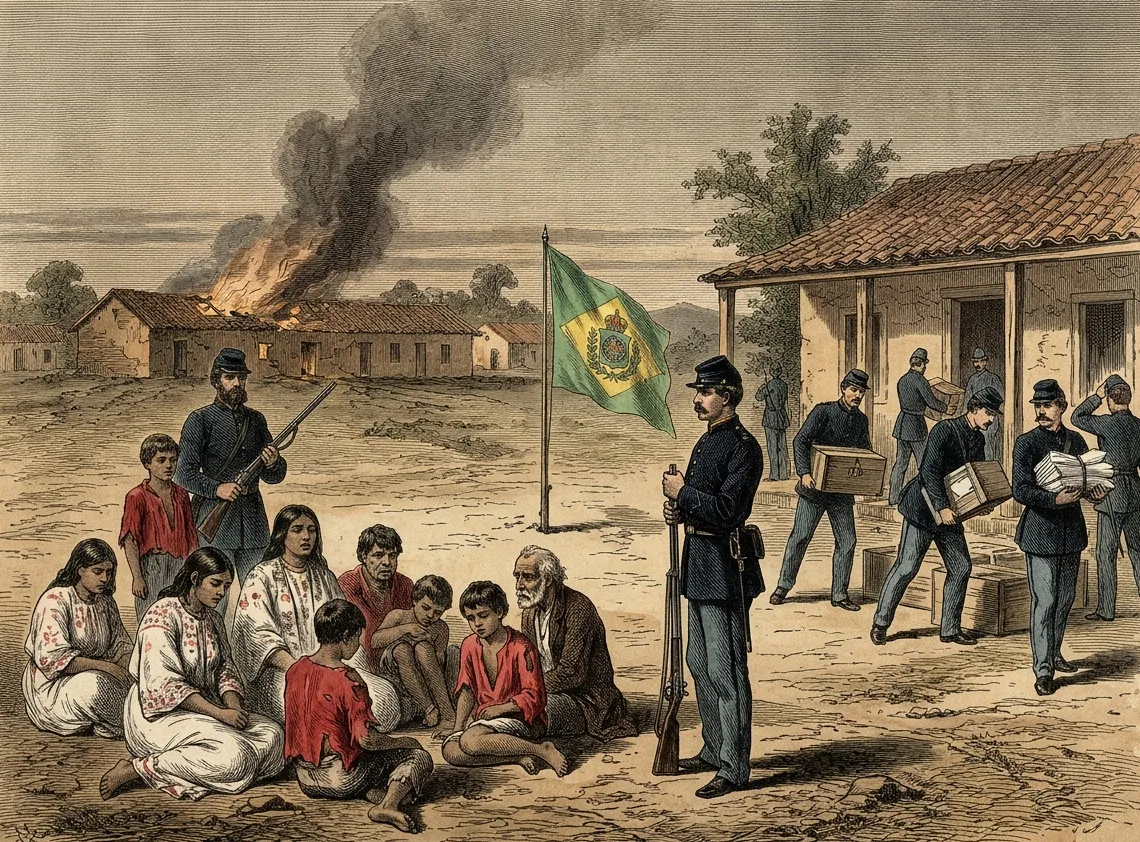
That same day, the blood hospital of Piribebuy burned with wounded men inside.
The fire itself is not in question. What is debated is how it started and how many died.
For O'Leary and for Paraguayan school textbooks, the Count of Eu ordered the hospital set on fire, and several hundred sick men died. The historian Efraím Cardozo recorded the account of a hospital locked from the outside, with its doors and windows barred, and set ablaze with some 600 wounded men and nurses inside. Centurión, by contrast, does not blame the allies: he thinks the fire may have started with the bombardment, before the assault.
The official Brazilian documents say nothing about the fire. They do say that the allied wounded were treated inside the town.
Prisoners and plunder
After the fighting, prisoners had their throats cut. This time, the witnesses are Brazilian.
Taunay, the Count of Eu's secretary, saw prisoners being killed and saved a man who was about to have his throat cut. He also recalled children of ten or younger among the dead. Cerqueira protected a boy of about 12 who was being chased by a soldier, even though a captain was shouting that he must die.
The Brazilian military historian Augusto Tasso Fragoso, by contrast, wrote in 1934 that everyone who did not die in the fighting was taken prisoner.
Then came the looting. According to the Count's report, the allies carried off the public archive up to 1868, with the secret correspondence of the foreign ministry, as well as flour, yerba mate, European wines, clothing, silver and coins. Furniture, porcelain and wines were taken from Elisa Lynch's house. Cerqueira summed it up in one phrase: “they laid hands on everything”.
The toll
About 700 Paraguayans died at Piribebuy. Sources from both sides agree on that figure.
- 1,600 defenders
- about 700 Paraguayan dead
- 800 to 1,100 prisoners, wounded included ‡
- about 610 allied casualties ‡
Paraguay lost its provisional capital, its archive and its printing press. For the allied army, Piribebuy opened the way to Caacupé and to López's rear.
After Piribebuy
With Piribebuy lost, the Azcurra line was no longer of any use.
López abandoned Azcurra and marched north, toward Caraguatay. Behind him he left a rearguard under Bernardino Caballero, the horseman of Tatayibá, with artillery and carts.
On 15 August, the Count of Eu entered Caacupé. There he found the arsenal and freed Brazilian prisoners, among them a Capuchin friar. At the same time, a cavalry division marched toward Barrero Grande, today Eusebio Ayala, to cut off Caballero's way.
Today Piribebuy bears the title of Heroic City. Its history museum is named after Commander Pedro Pablo Caballero, and every 12 August the town remembers the battle.
Razed, but never subdued
Piribebuy could not win. It could not even hold out for long.
Yet it defended itself. A town of adolescents, old men and women waited with old muskets for an army of 20,000 men. That is why 12 August weighs so heavily in Paraguayan memory: not for the outcome, but for the decision.
The reprisals that followed are still debated, and it is worth separating the document from the tradition. But the core of this story does not depend on that debate: the town's resistance is recorded in the testimonies of both sides.
Piribebuy was razed, but never subdued.
Sources
- Mário Maestri, “Piribebuy, a capital mártir”, Estudos Ibero-Americanos 39 (2013), via Redalyc. Trench, forces, timings, casualties and plunder; testimonies of Taunay, Cerqueira, Centurión, Resquín, O'Leary and Fragoso.
- F. Félix de Araújo, “Assalto de Peribebuy”, Brazil Illustrado, year I, via Biblioteca Brasiliana (USP). Columns, timing and the death of Mena Barreto, according to a Brazilian officer.
- Esboço memorial da praça de Piribebuy, Brazilian plan of 1869: the basis for this booklet's map.
- Francisco Doratioto, Maldita guerra (2002), and Terry D. Hooker, The Paraguayan War (2008), as cited in English Wikipedia and by Maestri.
- Juan Crisóstomo Centurión, Memorias; Francisco Isidoro Resquín, memoirs; Juan E. O'Leary; Efraím Cardozo, Hace 100 años, as cited by Maestri and the Paraguayan press.
- ABC Color: “La Batalla de Piribebuy hace 155 años fue urbana y una carnicería”, with Carlos von Horoch and Herib Caballero Campos (2024).
- La Nación (Paraguay): the occupation of Piribebuy (2020); “the only urban battle” and “Piribebuy, a 155 años”, with Eduardo Ortiz Mereles and the Piribebuy museum (2024).
- Municipalidad de Asunción, “Calle Piribebuy”; Hoy and Última Hora (2026).
- Wikipedia in English, Spanish and Portuguese: Battle of Piribebuy, Piribebuy, João Manuel Mena Barreto. Only as cross-checking support.
Disputed data
- Allied forces: about 20,000, with differing breakdowns; Uruguayan participation doubtful.
- Cannons: 12 to 19 Paraguayan, with a mortar; from over 30 to about 50 allied.
- Duration: bombardment of two to four hours; assault of under half an hour to five hours.
- When Mena Barreto was wounded, and the name of the man who shot him.
- Pedro Pablo Caballero's rank; who ordered his execution; his final cry and the death with horses (tradition).
- Fire at the hospital: who set it and number of victims, from “several hundred” to 600.
- Throat-cutting of prisoners: extent of the killing.
- Names of the heroines: local memory, not in military reports.
- Improvised ammunition and Caballero's reply to the demand for surrender: tradition.
- Casualties: prisoners from 800 to over 1,100; allied casualties with no primary source located for the wounded.
Four days later, on 16 August 1869, the allied army caught up with Bernardino Caballero's rearguard on the field of Acosta Ñu, near Barrero Grande.
Open in the illustrated encyclopedia ›
Guerra Guasu Collection · by José Báez · Free for everyone · Home · Privacy